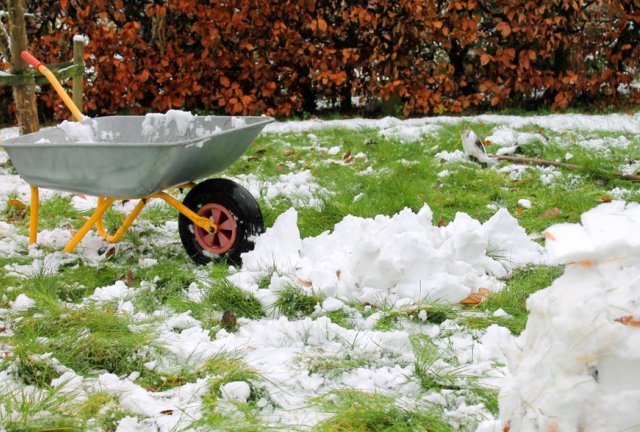
Winter in Maryland can be unpredictable — from light flurries to multi-inch snow events, residents and business owners often face challenges that come with icy sidewalks, blocked driveways, and hazardous parking lots. When a winter storm strikes, having a clear plan for snow removal is not only a matter of safety but also of compliance with local regulations and peace of mind.
In this guide, we’ll walk you through what to do before, during, and after a snowstorm — covering residential snow removal Maryland, commercial snow removal Maryland, and emergency snow removal Maryland — so you stay prepared all season long.
Maryland Snow Realities & Local Rules You Should Know
While Maryland doesn’t usually see the intense snowfall of northern states, certain areas, especially inland and toward western Maryland, can get significant snow during winter storms. Regardless of how much falls, clearing snow and ice quickly matters for safety and compliance.
Across many Maryland cities and counties, property owners are legally obligated to clear public sidewalks near their property within a set timeframe after snow stops falling. In Baltimore City, for example, owners must remove snow and ice from sidewalks within three hours after snowfall ends (or by 11 a.m. if the snow ends overnight) or risk fines.
Similarly, in Prince George’s County, property owners, tenants or managers are required to clear sidewalks within 48 hours after snowfall — with daily fines of around $100 if the snow remains uncleared.
In Frederick, Rockville, Laurel, and other cities, local codes also require sidewalk clearing — typically within 12–72 hours after a winter storm ends to ensure safe passage for pedestrians and residents.
Failing to comply with these ordinances can result in fines, citations, or even county crews being sent in to clear snow at the owner’s expense. Knowing local requirements ensures you’re prepared and avoid penalties.
Before a Snowstorm: Preparation Is Key
1. Monitor Weather Alerts
Stay connected with local winter storm advisories. Knowing when a storm is coming helps you plan ahead and avoid last-minute scrambling.
2. Pre-Plan Snow Removal
Whether you’re a homeowner or a business owner, it’s smart to schedule snow removal services in Maryland ahead of major winter events. Many local contractors get fully booked quickly once a storm hits, especially for emergency snow removal Maryland requests. Planning ahead ensures you get timely service when you need it most.
3. Prepare Your Space
- Mark driveway edges and walkways with stakes so plows and snow blowers know where curbs and stones are located.
- Stock up on ice melt and safe de-icers to make sidewalks less slippery.
- Protect sensitive plants and surfaces when using chemical de-icers.
4. Know Your Device
If you’ll be clearing snow yourself, make sure shovels and snow blowers are in good working condition. A well-maintained snow blower can save hours of manual labor on larger snowfalls.
During a Snowstorm: Safety First
When the snow starts falling, prioritize safety:
Keep Walkways & Driveways Accessible
Shoveling snow early in the storm — even a few inches — can make the workload lighter later and reduce compaction that turns into ice. Ice is harder to remove and increases slip hazards.
Avoid Blocking Roads
Don’t shovel or plow snow into the street or bike lanes — doing so can disrupt plow routes and create hazards for vehicles and emergency services.
Emergency Snow Removal
In major winter storms where access routes become blocked or hazardous, local snow removal services can provide emergency snow removal Maryland assistance. These services respond quickly to clear driveways, walkways, and parking lots, keeping your property accessible and safe.
Call a professional early if:
- You have elderly residents or employees who need safe access.
- There are medical or emergency needs on site.
- Parking lots or driveways need immediate clearance for business continuity.
Once the snow has stopped falling, the cleanup phase begins. Prompt action not only ensures safety but also avoids legal issues with local ordinances.
Residential Snow Removal Maryland
- Clear your driveway, walkways, and entryways within the local time frames — often within 12–48 hours depending on city or county rules.
- Use ice melt on walkways to reduce slipping hazards.
- Take extra care around steps and ramps — these are common sites for fall injuries.
Commercial Snow Removal Maryland
- Ensure parking lots, employee entrances, and customer walkways are cleared quickly.
- Consider seasonal contracts with snow removal professionals to guarantee priority service.
- Keep pedestrian routes free of ice and snow — this protects customers and reduces liability.
Commercial snow removal contractors can also move snow off-site, de-ice larger areas, and help meet workplace safety requirements.
DIY vs Professional Snow Removal — What’s Best?
DIY Snow Removal
Pros:
- Good for light snow or small areas
- Lower short-term cost
Cons:
- Labor intensive
- Can be unsafe without proper tools or physical strength
- Harder to keep up during ongoing storms
Professional Snow Removal
Pros:
- Efficient, fast service
- Safer for older residents or busy business owners
- Equipment handles heavy snow and ice
- Often comes with seasonal contracts
Cons:
- Higher cost than DIY in the short term
For many Maryland residents and businesses, relying on professional snow removal — especially for commercial snow removal Maryland and emergency snow removal Maryland — provides peace of mind and ensures compliance with local laws.
Final Thoughts
Winter weather in Maryland doesn’t have to be stressful. With preparation, knowledge of local regulations, and a plan in place for both DIY and professional snow removal, you can protect your property, avoid fines, and keep everyone safe through the colder months.
Whether you need residential guidance or professional snow removal services in Maryland, planning ahead and acting promptly after a storm is key to staying safe and compliant — and ensuring your property remains accessible during winter’s worst.