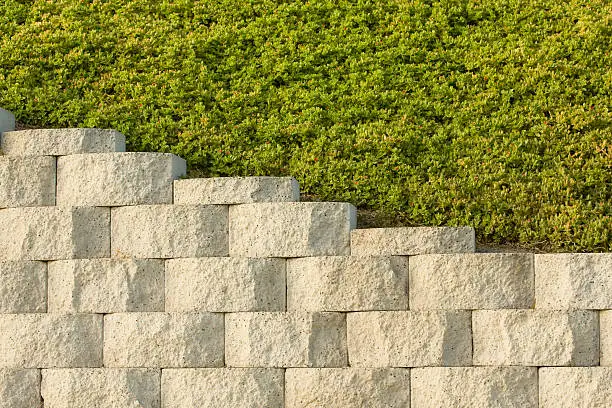
Hardscape design adds a whole new dimension to your outdoor space. From a spectacular patio to a winding stone path or a cozy fire pit, hardscaping provides your property with structure and style. If correctly installed, these elements complement the garden landscape without a jarring effect, adding a layer to the beauty of your garden. Hardscapes are not just aesthetically pleasing but also functional, making it possible to have functioning outdoor areas for entertainment, leisure, or just experiencing your garden. A properly planned hardscape can significantly enhance the appeal of your property as well as its value.
In this blog, we are going to discuss the key requirements to effectively design a hardscape that improves your outdoor living area. Whether you are starting from scratch or updating an existing layout, these tips will guide you in designing a hardscape that is both beautiful and functional.
1. Start with a Vision
Every great hardscape begins with a clear vision. Imagine what you want your outdoor area to look and feel like. Is it a peaceful garden destination, a vibrant entertainment zone, or a blend of the two? Clearly defining your goals helps determine the functional role of your hardscape and how it fits into the overall landscape design. Working with professional Planting Services in Frederick can further refine this vision by ensuring that plant selections complement the hardscape elements and enhance the overall outdoor experience.
Sketch out ideas or gather inspiration from magazines, online platforms, or local landscaping projects. This is an important step toward understanding which features you want, such as patios, walkways, retaining walls, or water features. A well-defined vision ensures your hardscaping project aligns with your property’s existing style while allowing Planting Services in Frederick to seamlessly integrate greenery that supports both aesthetics and long-term landscape health.
2. Plan for Functionality
While aesthetics is important, functionality is key to a successful hardscape design. Think about how you are going to use the space and make sure that everything has a purpose. For example:
- If you are planning to host entertainment, consider elements like seating areas, a fireplace, or a backyard outdoor kitchen.
- For pathways, just think about pedestrian flow and how to link up sections of your yard.
- Platforms or rising terrain can be addressed by the use of retaining walls to provide level areas and prevent soil movement.
By planning for functionality, your hardscape will not only look great but also be practical for daily use.
3. Choose the Right Materials
The materials you choose play a major role in the success of your hardscape design. Select materials that complement your home’s architecture and the natural surroundings. Popular options include:
- Pavers: versatile and available in a variety of colors, shapes, and sizes.
- Natural Stone: Adds a timeless and elegant look.
- Brick: Ideal for classic or rustic designs.
- Concrete: A durable and cost-effective option that can be customized with patterns and textures.
Do not neglect durability, especially when your hard surface will be exposed to high pedestrian traffic or extreme temperatures. Opt for materials that are long-lasting and low-maintenance.
4. Prepare the Site Properly
Site preparation is one of the most important stages of hardscape design Fredrick MD. Skipping this step can lead to uneven surfaces, drainage issues, or structural problems down the line. Here’s what to keep in mind:
- Clear the Area: Remove any grass, weeds, or debris from the site.
- Level the Ground: The surface needs to be levelled or graded sufficiently so that water drainage is possible.
- Lay a Solid Base: Create a stable platform for your hardscape components with a gravel or sand base. This prevents shifting and ensures longevity.
Taking the time to prepare the site sets the stage for a flawless installation.
5. Incorporate Landscaping Elements
The best design of hardscape is the best integrated into the natural environment. Integrate plants, trees, and softscape features to soften the look of the hardscape and create a balanced environment. For example:
- Add flower beds or shrubs along pathways or patios to add color and texture.
- Use vines or climbing plants around pergolas or trellises for a lush, inviting feel.
- Incorporate lighting to highlight both the hardscape and the surrounding greenery.
This dual nature of hard and soft components gives rise to an integrated, aesthetically pleasing space outdoors.
6. Pay Attention to Drainage
Effective drainage is crucial in hardscape design to prevent standing water or damage to the owner’s property. Plan for water runoff by:
- Installing sloped or grading to make runoff from your house. Installing slopes or grading to direct water away from your home.
- Adding permeable materials like gravel or pavers with gaps to allow water to seep through.
- Including drainage systems, such as French drains or channels, where necessary.
A well-designed drainage system protects your hardscape and ensures its longevity.
7. Focus on Maintenance
Effective drainage is crucial in hardscape design to prevent standing water or damage to the owner’s property. Plan for water runoff by:
- Installing sloped or grading to make runoff from your house.
- Sweep pathways and patios frequently to avoid accumulation of dirt and debris.
- Sealing stone or concrete to prevent staining and weather damage
- Prune plants and remove overgrown areas to maintain the neatness of the area.
Routine maintenance not only adds to the life of the hardscape, it also provides the homeowner with an inviting outdoor space throughout the year.
8. Consult a Professional
Although hard landscaping elements can be undertaken as DIY, some larger builds or very detailed designs do often need a professional touch. A professional hardscape designer or contractor can help with:
- Creating detailed plans and layouts.
- Ensuring proper installation techniques.
- Avoiding costly mistakes or structural issues.
Conclusion
Designing a successful hardscape is an exercise in careful planning, selecting the right materials, and balancing usability with aesthetics. Whether you’re creating a relaxing backyard oasis or a sophisticated front-yard access pathway, professional landscaping services can help ensure your hardscape is both stylish and enhances the overall value of your property.
By following these steps and maintaining your hardscape over time, you can achieve an aesthetically pleasing outdoor environment that provides lasting enjoyment. Start designing your hardscape today with expert landscaping services, and watch your outdoor area transform into something truly amazing.